
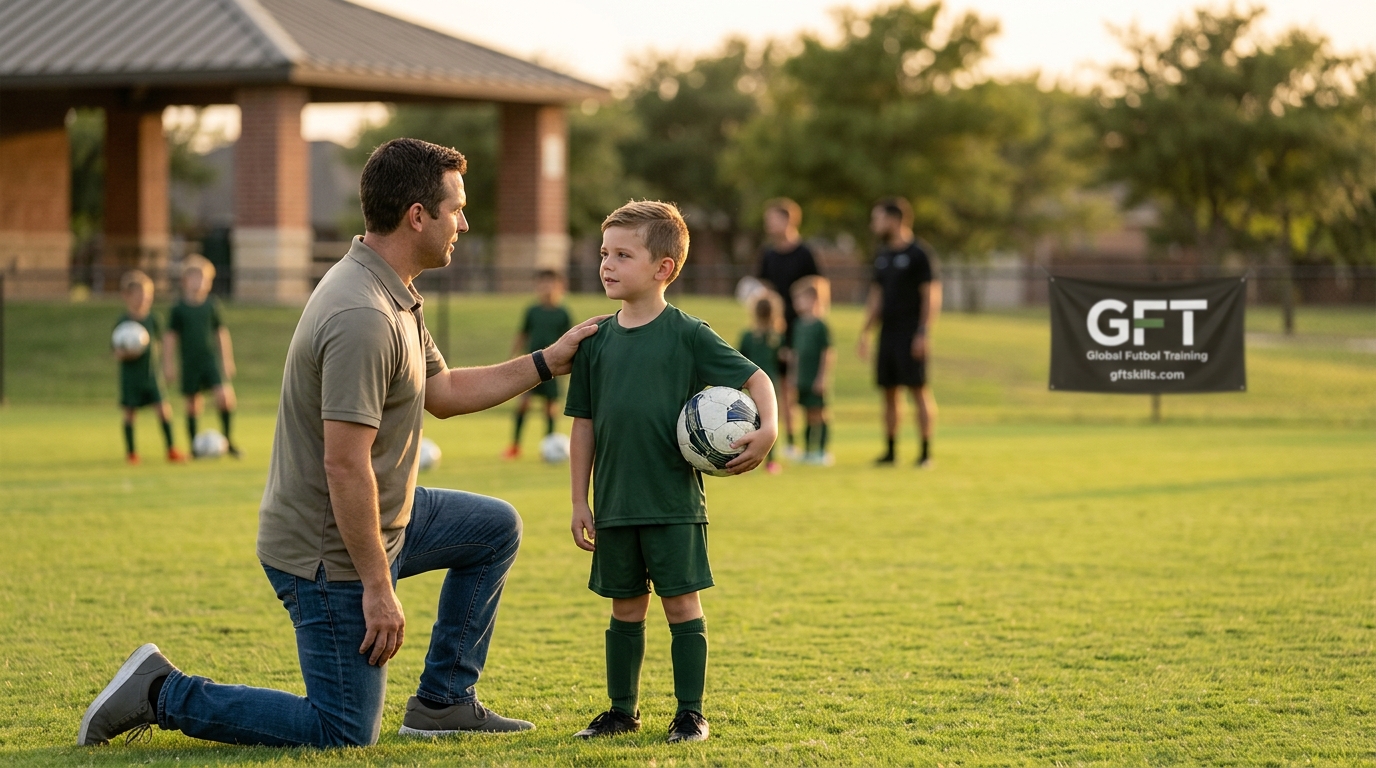
Step-by-Step Guide to Evaluating Youth Soccer Training Programs in DFW
Choosing the right soccer development path for your child in the Dallas-Fort Worth metroplex is a critical decision that impacts their athletic growth and personal confidence. Recent industry data indicates that over 3 million youth athletes in the United States participate in organized soccer, with a significant portion of that growth concentrated in the Sun Belt region. According to the National Alliance for Youth Sports, structured training programs improve player retention rates by approximately 40% compared to casual play. This statistic highlights the importance of selecting a program that offers more than just field time. Parents must look beyond the surface level of marketing materials to find a curriculum that aligns with their child's specific developmental stage. The DFW area is saturated with options, ranging from local park districts to elite private academies, making the evaluation process complex. This guide provides a rigorous framework for assessing these programs to ensure you invest in quality coaching and safe environments.
Assessing Coaching Credentials and Philosophy
The quality of instruction is the single most important factor in youth development. In the DFW region, top-tier programs employ coaches who hold advanced licenses from recognized governing bodies. The GFT Skills coaching staff typically maintains USSF (United States Soccer Federation) or USYSA (United States Youth Soccer Association) certifications. These credentials ensure that instructors understand age-appropriate training methodologies and player safety protocols. When evaluating a program, ask to see the head coach's license. A coach with a D or C license has undergone rigorous training in tactical analysis and player development. Conversely, a program relying solely on volunteer parents may lack the technical depth required for serious advancement. Beyond credentials, the coaching philosophy must align with your family's values. Does the program prioritize winning at all costs, or does it focus on individual skill acquisition and sportsmanship? A healthy philosophy encourages effort and learning over immediate results. This approach fosters long-term engagement and reduces burnout rates among young athletes. Research from the American Academy of Pediatrics suggests that positive reinforcement in sports leads to better mental health outcomes for adolescents.
Evaluating Facility Quality and Safety Standards
DFW's climate presents unique challenges for outdoor sports, making facility quality a critical evaluation metric. High-quality programs invest in well-maintained natural grass or premium artificial turf that meets FIFA Quality standards. Poorly maintained fields increase the risk of ankle sprains and other lower-body injuries. Look for facilities that offer proper drainage systems to handle sudden Texas thunderstorms. Additionally, check if the program provides shaded rest areas and adequate hydration stations. Safety extends beyond the physical pitch. Verify that the facility has clear emergency action plans and on-site first aid kits. Programs that partner with local sports medicine clinics often have faster response times for acute injuries. The infrastructure at GFT Skills is designed to minimize injury risks while maximizing training efficiency. When touring a facility, observe the condition of the goals, corner flags, and boundary lines. Worn-out equipment can indicate a program that cuts corners on safety. A professional environment signals respect for the athletes and the sport.
Understanding Curriculum Structure and Progression
A structured curriculum ensures that players develop a comprehensive skill set rather than relying on random drills. Effective programs follow a progressive learning model that adapts to the athlete's age and ability. For younger players, the focus should be on ball mastery, coordination, and fun. As athletes advance, the curriculum must introduce tactical awareness, positional play, and game intelligence. Ask the program directors for a sample weekly schedule. Does it include a mix of technical drills, small-sided games, and full-field scrimmages? Small-sided games are particularly effective for developing decision-making skills under pressure. The GFT Skills development framework emphasizes this balance to create well-rounded players. Avoid programs that offer generic "kick-around" sessions without clear learning objectives. A high-quality program will provide regular feedback reports to parents, detailing each player's progress and areas for improvement. This transparency allows you to track your child's growth over time and adjust expectations accordingly.
Analyzing Player-to-Coach Ratios
The ratio of players to coaches directly impacts the amount of individual attention each athlete receives. In elite training environments, the ideal ratio is often 6:1 or lower for technical sessions. This allows coaches to correct form and provide immediate feedback. Larger groups, such as 10:1 or higher, may be acceptable for conditioning drills but are insufficient for skill acquisition. When evaluating a program, inquire about the staffing structure during peak hours. Do they bring in additional assistants for larger classes? A program that maintains low ratios demonstrates a commitment to quality instruction. This is particularly important in the DFW market, where large club systems may prioritize volume over individual development. The contact team at GFT Skills can provide specific details on their current staffing levels for different age groups. High attention-to-player ratios correlate with faster skill acquisition and higher player satisfaction. Parents should prioritize programs that visibly demonstrate this ratio during trial sessions.

Reviewing Competitive Pathways and Exposure
For families aiming for high school varsity or collegiate recruitment, the program's competitive pathway is crucial. DFW is a hotbed for youth soccer talent, with many clubs feeding into top-tier high school programs and university scouts. Evaluate the program's history of player placement. Do they have a track record of sending athletes to prestigious academies or receiving college scholarships? Look for programs that offer regular exposure to higher-level competition through tournaments and showcases. The GFT Skills competitive pathways are designed to bridge the gap between recreational play and elite club soccer. Ask about their tournament schedule and the level of opposition they face. Playing against stronger opponents accelerates development but must be balanced with the risk of discouragement. A good program will also provide guidance on the recruitment process, including how to create highlight reels and navigate NCAA eligibility requirements. Understanding these pathways early helps families make informed decisions about their investment.
Cost Analysis and Value Proposition
Youth soccer in DFW can range from affordable park district leagues to expensive elite club fees. It is essential to understand what is included in the cost. Does the fee cover coaching, field rental, uniforms, and tournament entry? Or are there hidden costs for travel, extra training, and equipment? Elite programs often charge annual commitments that can exceed $3,000 per year. Compare these costs against the value provided. A higher fee may be justified if the program offers superior coaching, better facilities, and proven competitive success. However, paying more does not automatically guarantee a better fit for your child. Consider the time commitment as well. Travel-heavy programs require significant parental involvement in logistics. The pricing structure at GFT Skills is transparent and designed to offer high value for intensive training. Calculate the cost per hour of instruction to compare programs objectively. Remember that the cheapest option may lack the resources to support serious development, while the most expensive may not align with your child's current skill level.
Key Takeaways
- Coaching Credentials: Prioritize programs with USSF or USYSA licensed coaches who have a proven track record in youth development.
- Facility Safety: Ensure the DFW facility has proper drainage, high-quality turf or grass, and clear emergency protocols.
- Curriculum Depth: Look for a progressive curriculum that balances technical skill work with tactical understanding and small-sided games.
- Attention Ratios: A player-to-coach ratio of 6:1 or lower is ideal for maximizing individual feedback and skill acquisition.
- Competitive Pathways: Verify the program's history of player placement and their ability to provide exposure to college scouts.
- Cost Transparency: Compare total costs including hidden fees against the quality of instruction and facilities provided.
- Philosophy Alignment: Choose a program whose values regarding sportsmanship, effort, and fun align with your family's goals.
Frequently Asked Questions
How do I know if my child is ready for elite soccer training in DFW?
Readiness is determined by your child's passion for the game, current skill level, and willingness to commit to regular training. Most elite programs accept players as young as U8, but the focus should remain on fun and fundamentals for younger ages.
What is the average cost of elite youth soccer in the Dallas-Fort Worth area?
Elite club soccer in DFW typically ranges from $2,500 to $5,000 annually, depending on the age group and level of competition. Additional costs for travel tournaments can add several thousand dollars per year.
How important is the player-to-coach ratio in youth development?
A low player-to-coach ratio is critical for technical development. It allows coaches to provide immediate feedback and correct form, which accelerates learning and prevents bad habits from forming.
What certifications should I look for in a youth soccer coach?
Look for coaches with USSF D or C licenses, USYSA National Diploma, or UEFA licenses. These certifications indicate advanced training in pedagogy, tactics, and player safety.
Can I try a program before committing financially?
Most reputable programs, including GFT Skills trial sessions, offer introductory classes or open trials. This allows you to observe the coaching style and facility quality firsthand.
How does the DFW climate affect soccer training schedules?
Extreme heat in the summer requires programs to adjust training times, often moving to early mornings or late evenings. Quality programs provide ample shade and hydration breaks to ensure player safety.
What are the signs of a high-quality youth soccer facility?
Signs include well-maintained natural grass or FIFA-certified turf, proper drainage systems, secure fencing, and clean locker rooms or restrooms. The environment should feel professional and safe.
Next Steps for Your Child's Development
Evaluating youth soccer programs in DFW requires a careful balance of technical, logistical, and financial considerations. By focusing on coaching credentials, facility quality, and curriculum structure, you can identify a program that supports your child's growth. The GFT Skills platform offers a comprehensive approach to player development tailored to the unique needs of DFW athletes. Schedule a consultation today to discuss your child's goals and explore our training options. Take the first step toward a successful soccer journey by connecting with our expert team.