
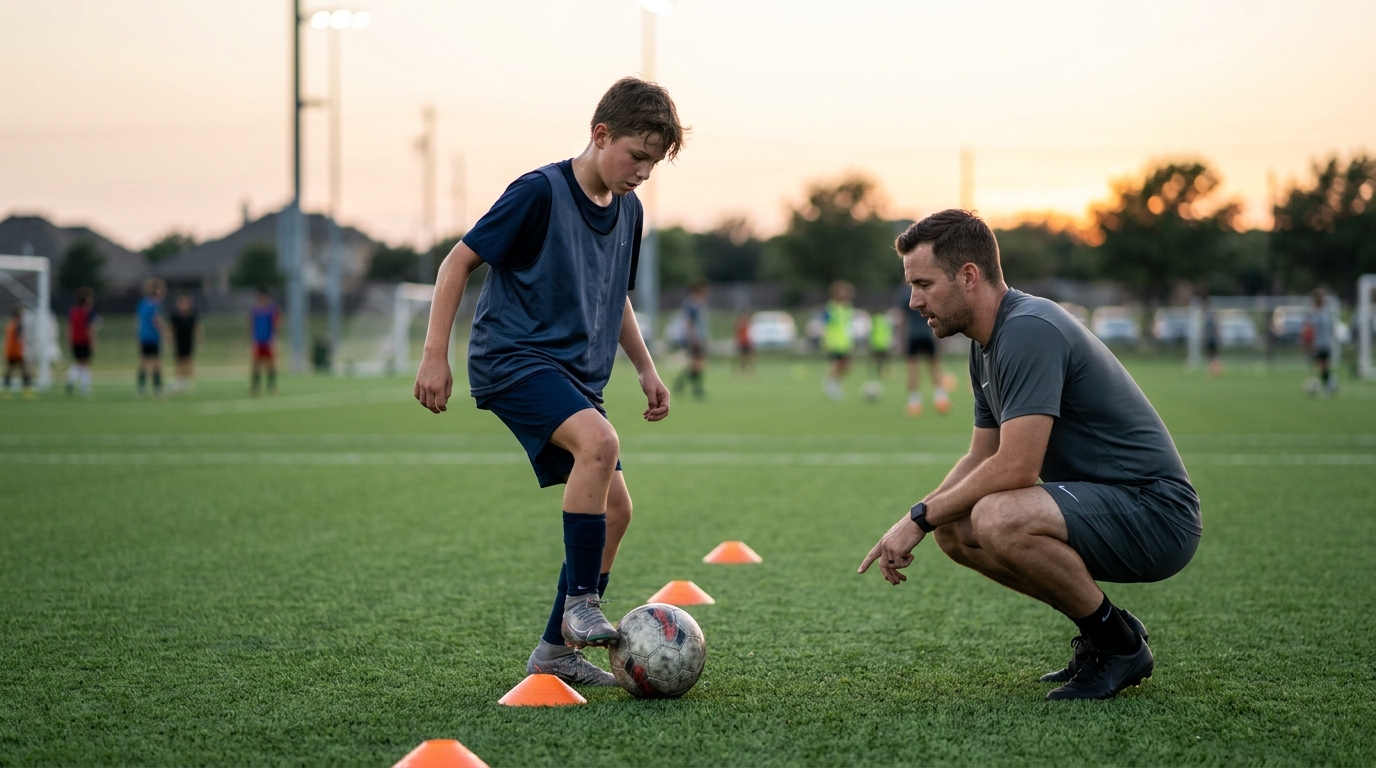
Choosing the right soccer skills trainer in the Dallas-Fort Worth metroplex is a critical decision for any parent looking to elevate their child's game. The DFW region boasts one of the highest concentrations of youth soccer players in the United States, creating a saturated market of coaches and programs. According to recent demographic data from the Texas Youth Soccer Association, participation in organized youth sports in North Texas has grown by over 15% in the last decade, making expert guidance more valuable than ever. This guide breaks down the essential criteria for evaluating trainers, ensuring you invest in a program that delivers measurable technical improvement and long-term athletic development.
Understanding the DFW Soccer Landscape
The Dallas-Fort Worth area is a powerhouse for youth soccer development. With numerous competitive clubs, high school leagues, and collegiate programs, the competition for scholarships and professional spots is fierce. Parents often struggle to distinguish between general fitness coaches and specialized technical trainers. A specialized trainer focuses exclusively on ball mastery, first touch, and technical mechanics, rather than general fitness or team tactics. This distinction is vital for players aiming to reach the next level, whether that is college recruitment or professional academies.
When searching for a trainer, look for professionals who understand the specific demands of the DFW climate and season structure. Training in the summer heat requires specific hydration and intensity protocols. Furthermore, the DFW soccer calendar aligns closely with the Texas Youth Soccer Association schedules, meaning effective training must complement, not conflict with, club commitments. A trainer who understands this ecosystem can provide targeted sessions that fill the gaps left by team practices.
Evaluating Coach Credentials and Background
The most significant factor in selecting a trainer is their playing and coaching history. A coach who has never played at a high level may struggle to impart the nuanced feel of ball control. Look for trainers with a background in professional or high-level collegiate soccer. For instance, Global Futbol Training was founded by Jeremie Piette, a former Major League Soccer player who competed internationally across four continents. This level of experience provides a depth of knowledge that cannot be replicated by uncertified instructors.
Verify the coach's certification status with recognized bodies such as the United States Soccer Federation (USSF) or the National Soccer Coaches Association of America (NSCAA). However, do not rely on certifications alone. Review their track record of player development. Do they have students who have been recruited by colleges or signed with professional teams? The GFT method has produced players recruited by programs such as UCLA, Penn State, and the University of Texas, demonstrating a proven pathway for success.
Assessing Training Methodology and Curriculum
Effective soccer training is not random; it is a structured progression of skills. A high-quality trainer will have a defined curriculum that moves from fundamental mechanics to advanced application. This methodology should address the "five core areas" of soccer development: ball mastery, speed, strength, agility, and endurance. However, the foundation must always be technical. Without superior ball control, physical attributes are less effective in high-pressure game situations.
Ask potential trainers about their approach to "ball mastery." Ball mastery is the ability to control the ball with precision and confidence under pressure. It is the single most important skill in soccer. A good trainer will emphasize repetitive, high-intensity drills that build muscle memory. They should also provide feedback mechanisms, whether through video analysis or direct correction, to ensure the player is executing movements correctly. The GFT curriculum, for example, includes over 50 lessons covering basics, advanced footskills, and aerial control, ensuring a comprehensive development path.
Online Training vs. In-Person Coaching
DFW parents often debate the merits of online versus in-person training. Both have distinct advantages depending on the player's needs and schedule.

The Case for In-Person Training
In-person coaching offers immediate physical correction and a team environment that mimics game-day pressure. It is ideal for players who need hands-on guidance to correct posture or foot placement. However, it is often limited by geography and availability. Finding a top-tier in-person trainer in specific DFW suburbs can be challenging and expensive.
The Case for Online Training
Online training has revolutionized soccer development by providing access to world-class instruction regardless of location. For DFW families, online training offers flexibility and consistency. Players can train at their own pace, repeat drills until mastered, and access the same curriculum as professional athletes. According to industry trends, online soccer training has seen a surge in adoption because it allows for personalized feedback without the logistical hurdles of travel. Platforms like Global Futbol Training provide direct feedback from the coach, bridging the gap between online and in-person instruction.
Comparing Training Program Structures
Not all training programs are created equal. Some offer generic fitness plans, while others provide specialized technical curricula. Below is a comparison of typical program structures available to DFW youth players.
| Program Type | Focus Area | Best For | Key Benefit |
|---|---|---|---|
| Fundamental Footskills Course | Basic mechanics and warm-up routines | Players with 4 years or less experience | Builds a solid technical foundation |
| Advanced Footskills Course | Complex ball control and aerial skills | Intermediate to advanced players | Develops unique skills rarely taught elsewhere |
| Ball Coordination Course | Smooth control and coordination | High-level college prospects | Refines touch for competitive environments |
| Complete Soccer Mastery Bundle | Comprehensive development (5 core areas) | Dedicated players seeking total improvement | All-in-one solution for long-term growth |
When evaluating these options, consider the player's current level. A beginner might overwhelm themselves with advanced aerial control drills, while a college prospect might find basic drills insufficient. The goal is to match the curriculum to the athlete's developmental stage.
Key Takeaways
- Verify Professional Background: Prioritize trainers with a history of professional or high-level collegiate play, such as former MLS players.
- Check for Structured Curriculum: Ensure the program covers the five core areas of soccer development, not just random drills.
- Consider Online Flexibility: Online training offers consistent, high-quality instruction that fits into busy DFW schedules.
- Look for Proven Results: Seek trainers whose students have been recruited by reputable colleges like UCLA, Penn State, or Texas.
- Evaluate Feedback Mechanisms: Direct feedback from the coach is essential for correcting technical errors in real-time.
- Assess Program Depth: Comprehensive bundles that include basics, advanced skills, and college preparation offer the best long-term value.
- Match Skill Level: Choose a program that aligns with the player's current experience to avoid frustration or stagnation.
Frequently Asked Questions
How do I know if my child needs a private soccer trainer?
If your child has plateaued in their club team development or needs specific technical work that the team coach cannot address individually, a private trainer is beneficial. It is also crucial for players aiming for college recruitment who need to showcase specific skills.
What is the difference between ball mastery and general dribbling?
Ball mastery is a comprehensive skill set that includes close control, speed of thought, and confidence with the ball at one's feet. Dribbling is just one component of ball mastery. Ball mastery focuses on the mechanics and feel of the ball, while dribbling focuses on navigating past opponents.
Can online training replace in-person coaching for DFW players?
Yes, online training can effectively replace or supplement in-person coaching. It provides access to elite instruction that may not be available locally. With direct feedback options, online training can correct technical errors just as effectively as in-person sessions.
What age is best to start specialized soccer training?
Specialized training can begin as early as age 6 or 7. However, the curriculum must be age-appropriate. Younger players focus on fundamental footskills and fun, while older players focus on advanced mechanics and tactical application.
How often should a youth player train with a private coach?
Consistency is key. Most successful players train 2-3 times per week. This frequency allows for sufficient repetition to build muscle memory without causing burnout or overuse injuries.
What should I look for in a trainer's credentials?
Look for a combination of professional playing experience, coaching certifications, and a proven track record of player development. Experience at the highest levels of the game is a strong indicator of technical expertise.
Does Global Futbol Training offer programs for college recruitment?
Yes, GFT offers specific courses designed to help players excel at the collegiate level. These programs include guidance on what college coaches look for, sports nutrition, and highlight video creation.
Start Your Training Journey
Selecting the right soccer skills trainer in DFW requires careful evaluation of credentials, methodology, and program structure. By prioritizing specialized technical instruction and proven developmental pathways, you can give your child the tools they need to succeed on the pitch. Whether you choose in-person coaching or online training, the key is consistency and high-quality instruction. Explore the comprehensive ball control courses available at Global Futbol Training to begin transforming your player's skills today. Visit the about page to learn more about the founder's professional background and philosophy.