

Choosing the right soccer development path is one of the most significant decisions a family makes for their child's athletic and personal growth. According to recent industry data, over 3 million children participate in organized youth soccer in the United States alone, yet many families struggle to find programs that truly foster long-term technical improvement. The sheer volume of options in the Dallas-Fort Worth metroplex can lead to hasty decisions that prioritize convenience over coaching quality. This guide outlines the critical errors parents often make and provides a strategic framework for selecting a program that aligns with your child's developmental needs.
Prioritizing Convenience Over Coaching Quality
One of the most common pitfalls in the DFW area is selecting a club based solely on proximity to home or school. While a shorter commute is undeniably appealing for busy families, it often leads to a compromise in coaching standards. A program located thirty minutes away might offer superior technical instruction, whereas a nearby club may lack the resources to provide high-level player development. The quality of coaching directly impacts a child's ability to learn complex ball control mechanics and tactical awareness. Parents must weigh the logistical benefits against the educational value of the training environment.
When evaluating local options, look for programs that emphasize structured skill acquisition over casual play. For instance, Global Futbol Training focuses on step-by-step technical systems that build confidence and first touch. This approach ensures that players are not just running drills but are actively developing the neural pathways required for advanced ball mastery. Prioritizing quality over convenience often results in faster player progression and greater long-term satisfaction.
Ignoring the Coach's Playing Background
Coaching is not merely about managing a team; it is about transmitting deep technical knowledge. Many parents fail to investigate the professional or collegiate background of the head coaches. A coach who has played at a high level, such as in Major League Soccer or top-tier collegiate programs, brings a unique perspective to player development. This background allows them to identify subtle technical flaws that a less experienced coach might miss.
Jeremie Piette, the founder of Global Futbol Training, played internationally across four continents and seventeen countries before being drafted into MLS. His extensive playing career informs his training methodology, which has been used by players recruited by top universities and professional clubs. When interviewing coaches, ask about their playing history and how it influences their teaching philosophy. A coach with a rich playing background is more likely to provide nuanced feedback that accelerates player growth.
Focusing Only on Game Time
Parents often equate a good program with guaranteed playing time in matches. While participation is important, an excessive focus on game time can lead to a neglect of fundamental skill development. In many youth leagues, coaches may rotate players or limit minutes to manage team dynamics, which can be frustrating for families seeking consistent action. However, true improvement happens during training sessions where technical repetition occurs.
A program that prioritizes training quality will produce players who are more confident and competent on the ball. This confidence naturally translates to better performance during games. For example, the Ball Control Courses offered by GFT are designed to improve first touch and technical skill under pressure. Players who master these fundamentals often find themselves more valuable to their teams, regardless of rotation policies. Focus on the training curriculum rather than just the match schedule.
Overlooking Technical Development
Many youth soccer programs in the DFW area emphasize physical conditioning and tactical formations over individual technical skills. This approach can hinder a player's long-term development, especially in the critical early years. Technical proficiency, such as ball mastery and aerial control, is the foundation upon which all other soccer skills are built. Without a strong technical base, players may struggle to advance to higher levels of competition.
Look for programs that offer specialized technical training. The Advanced Footskills & Aerial Control course, for instance, teaches transforming skills that are rarely covered in standard youth practices. These skills challenge players and help them stand out in competitive environments. By prioritizing technical development, parents can ensure their children are building a robust skill set that will serve them throughout their soccer careers.
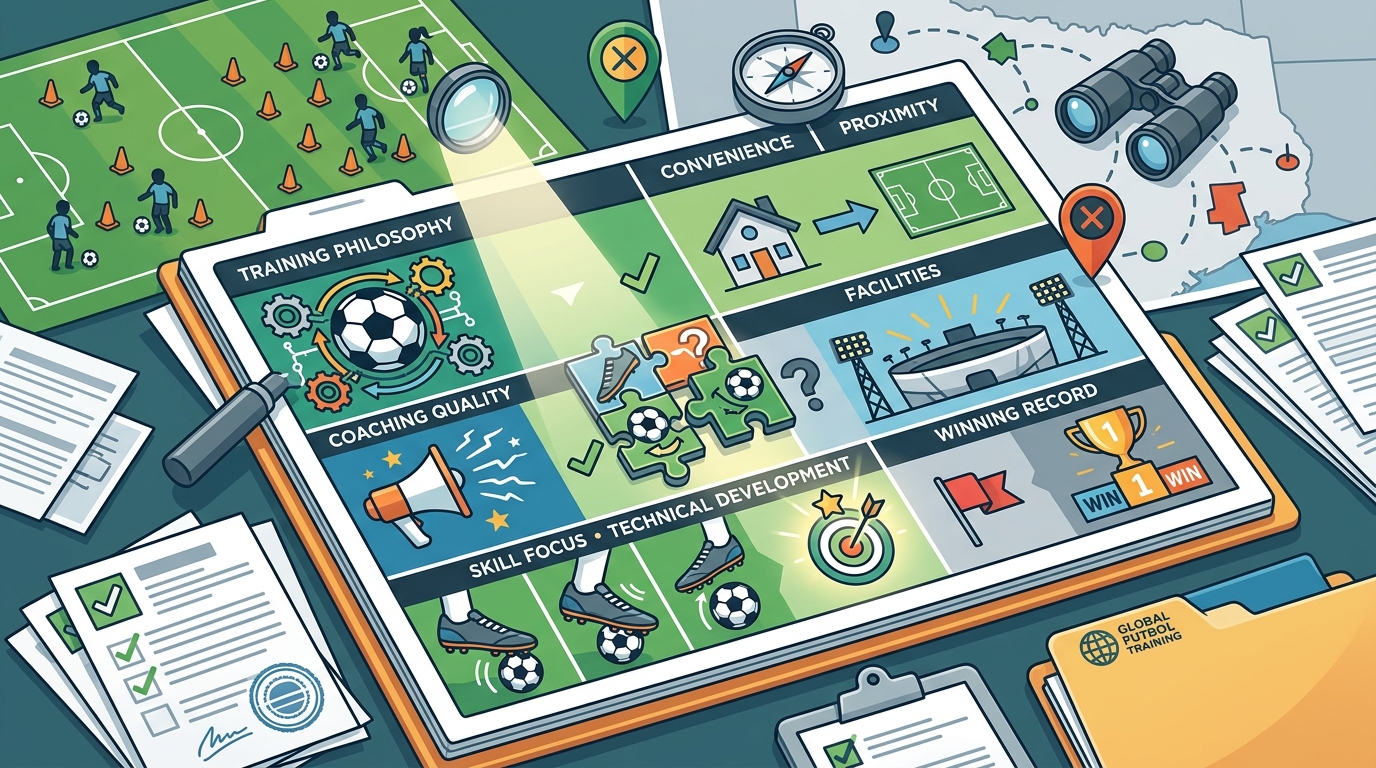
Neglecting the Parent-Coach Relationship
The relationship between parents and coaches is crucial for a positive youth sports experience. Miscommunication or conflicting expectations can create a toxic environment that negatively impacts the child. Parents should seek programs that value transparency and open communication. A coach who is willing to discuss a player's progress, challenges, and goals is a valuable partner in the child's development.
Testimonials from parents like Andy Humphrey highlight the importance of this relationship. He noted that the quality of teaching and video feedback in GFT's online training was superior to local private lessons. This level of engagement ensures that parents are informed and involved in their child's progress. Establish clear lines of communication early on to ensure alignment on developmental goals.
Comparing Prices Without Comparing Value
Price is a significant factor for many families, but comparing costs without considering the value provided can lead to poor decisions. A cheaper program may offer less experienced coaching, fewer training hours, or outdated facilities. Conversely, a more expensive program might provide access to elite coaching, advanced technology, and a proven track record of player development.
Consider the Complete Soccer Mastery Bundle as an example of high-value training. It includes access to core areas of soccer development, personalized feedback, and bonus materials that support holistic growth. When evaluating costs, ask what is included in the fee. Does it offer personalized feedback? Does it provide access to advanced training resources? Understanding the value proposition helps families make informed financial decisions that benefit their child's soccer journey.
Key Takeaways
- Coaching Quality Matters: Prioritize programs with coaches who have high-level playing experience, such as those from MLS or top collegiate programs.
- Technical Focus: Look for curricula that emphasize ball control, first touch, and technical skill over mere game participation.
- Proven Results: Choose programs with a history of developing players who have been recruited by reputable universities and professional clubs.
- Parental Engagement: Select programs that offer transparent communication and personalized feedback to keep parents informed.
- Value Over Cost: Evaluate the comprehensive value of training programs, including access to advanced resources and expert instruction.
- Long-Term Development: Focus on programs that build a strong technical foundation, which is essential for long-term success in soccer.
- Expert-Led Training: Programs founded by former professionals, like Global Futbol Training, offer unique insights and methodologies.
Frequently Asked Questions
How do I know if a youth soccer program is right for my child?
Evaluate the program's coaching credentials, training methodology, and focus on technical development. Programs that emphasize ball control and skill acquisition, such as those offered by Global Futbol Training, are often better suited for long-term player growth.
What is the importance of a coach's playing background?
A coach's playing background provides them with deep technical knowledge and practical experience. Coaches who have played at high levels, such as in Major League Soccer, can offer nuanced feedback that accelerates player development.
Should I prioritize convenience or quality when choosing a soccer program?
While convenience is important, quality should take precedence. A program with superior coaching and technical focus will yield better results for your child's development, even if it requires a longer commute.
What are the core areas of soccer development?
Core areas typically include ball mastery, technical skills, tactical awareness, physical conditioning, and mental resilience. Programs like the Complete Soccer Mastery Bundle address these areas comprehensively.
How can parents support their child's soccer development?
Parents can support development by engaging with coaches, encouraging consistent practice, and providing positive reinforcement. Accessing resources like parent testimonials can also provide insights into effective support strategies.
What is ball mastery and why is it important?
Ball mastery is the ability to control the ball with precision and confidence in various situations. It is crucial for player development as it forms the foundation for all advanced soccer skills and tactical execution.
Are online soccer training programs effective?
Yes, online programs can be highly effective if they offer high-quality video instruction, personalized feedback, and structured curricula. Programs like GFT's online courses have been praised for their teaching quality and impact on player confidence.
Start Your Child's Development Journey Today
Avoiding these common mistakes can significantly enhance your child's soccer experience and development. By prioritizing coaching quality, technical focus, and value, you can select a program that truly supports your child's growth. Explore the training programs at Global Futbol Training to discover how expert-led instruction can transform your child's game. Visit our about page to learn more about our philosophy and connect with our community.