
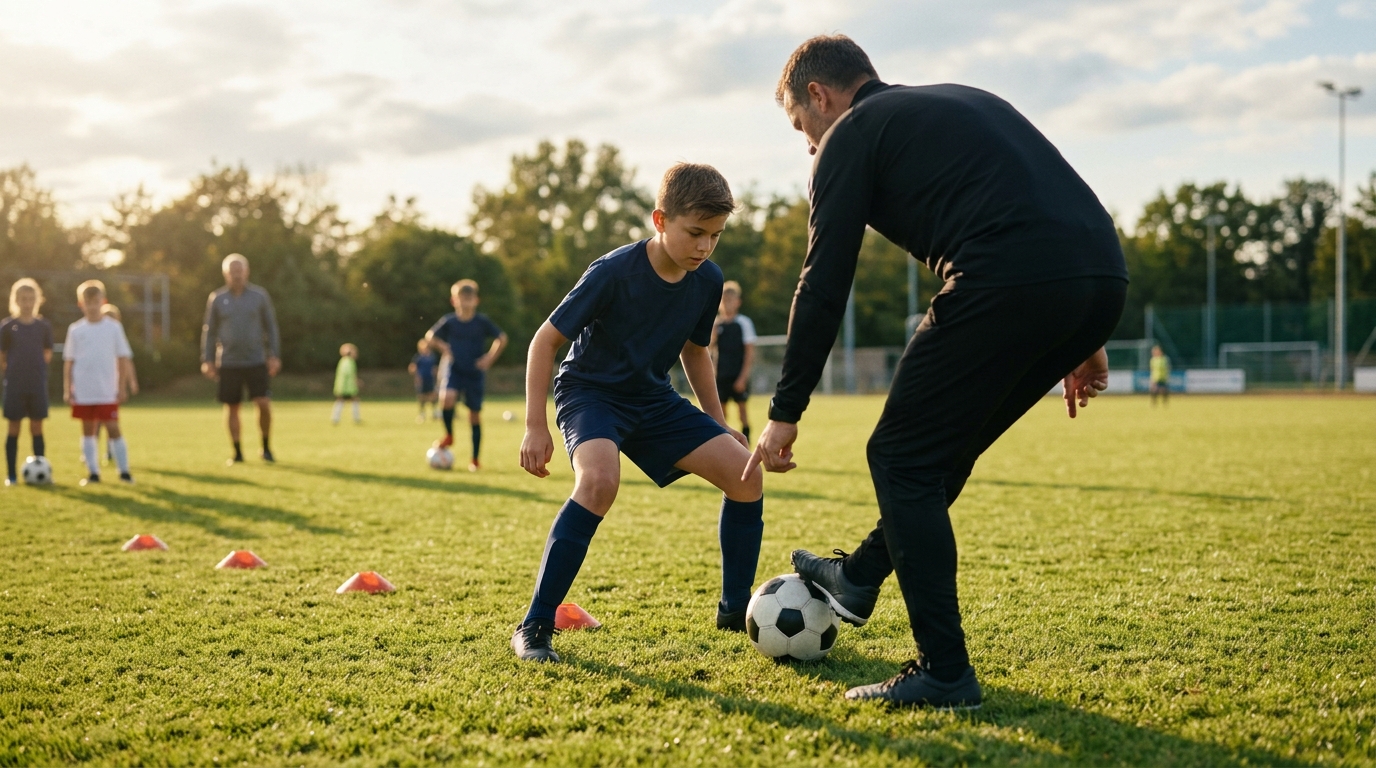
Common Mistakes in Multi-Level Soccer Training and How to Fix Them
Soccer development is a complex ecosystem that demands precision at every stage of a player's journey. According to recent analysis of youth sports participation, over 3 million children in the United States play organized soccer, yet many struggle to progress due to fundamental technical flaws. These errors often stem from inconsistent coaching methodologies or a lack of structured, progressive training plans. Correcting these mistakes early is essential for long-term athletic success and technical confidence. (ABOUT Global Futbol Training)
Ignoring Fundamentals for Advanced Skills
One of the most prevalent errors in multi-level soccer training is the premature introduction of advanced tactical concepts before foundational mechanics are solidified. Young players often rush to learn complex dribbling moves or high-pressing strategies without mastering basic ball control. This approach creates a fragile technical base that collapses under competitive pressure. (ABOUT Global Futbol Training)
Ball mastery is the ability to control the ball with precision and confidence in any situation. It requires repetitive, focused drills that emphasize touch, balance, and spatial awareness. Without this base, players develop bad habits that are difficult to unlearn later. Training should prioritize simple, high-repetition exercises that build muscle memory before introducing game-like scenarios. (Global Futbol Training Soccer)
Global Futbol Training emphasizes this progression by starting with fundamental footskills for new players. Their approach ensures that athletes build a robust technical foundation before advancing to complex aerial control or coordination drills. This method aligns with best practices in sports pedagogy, which suggest that mastery of basic skills is a prerequisite for tactical understanding.
Neglecting Ball Mastery and Coordination
Many training programs fail to dedicate sufficient time to ball mastery, focusing instead on physical conditioning or team tactics. This imbalance leaves players technically deficient when they face opponents who excel in close-control situations. Ball coordination is the seamless integration of footwork, body movement, and ball handling to maintain possession under duress.
Effective ball mastery training involves repetitive drills that challenge a player's ability to keep the ball close while moving at speed. These drills should be performed daily, even if only for short durations, to ensure consistent improvement. Players who neglect this aspect of their development often struggle to maintain possession in tight spaces, leading to turnovers and lost opportunities.
Advanced footskills and aerial control courses are designed to transform players by introducing challenging skills that build confidence and technical range. These programs target higher-level players who need to refine their abilities to compete at the collegiate or professional level. By focusing on these specific areas, athletes can bridge the gap between amateur and elite performance.
Poor First Touch Under Pressure
A weak first touch is a critical vulnerability in any player's game, particularly in high-pressure situations. Many athletes fail to practice receiving the ball with intention, leading to poor control and immediate loss of possession. A strong first touch allows a player to direct the ball away from pressure and into space, creating opportunities for themselves and their teammates.
Correcting this mistake requires specific drills that simulate game-like pressure. Players should practice receiving passes from various angles and distances, focusing on cushioning the ball and directing it away from defenders. These drills should be performed with increasing speed and intensity to mimic the demands of competitive play.
Jeremie Piette, founder of Global Futbol Training, has developed a step-by-step training system that builds confidence and improves first touch through structured practice. His methods have been used by players recruited by top collegiate programs and professional teams, including the USWNT and Vancouver Whitecaps. This evidence underscores the effectiveness of focused technical training in developing elite-level skills.
Inconsistent Practice Schedules
Consistency is the cornerstone of skill acquisition, yet many players struggle to maintain a regular training routine. Irregular practice leads to stagnation and regression, as skills are not reinforced frequently enough to become automatic. A structured schedule that includes daily technical work is essential for continuous improvement.
Players should aim to practice ball mastery and technical drills at least five days a week, even if sessions are short. This consistency helps build muscle memory and ensures that skills remain sharp and responsive. Online training platforms offer the flexibility to resume practice exactly where left off, allowing athletes to fit training into their busy schedules.
Global Futbol Training provides on-demand access to core areas of soccer development, enabling players to track their progress at their own pace. This flexibility supports consistent practice habits, which are critical for long-term technical growth. By integrating training into daily life, athletes can achieve faster results and maintain their competitive edge.
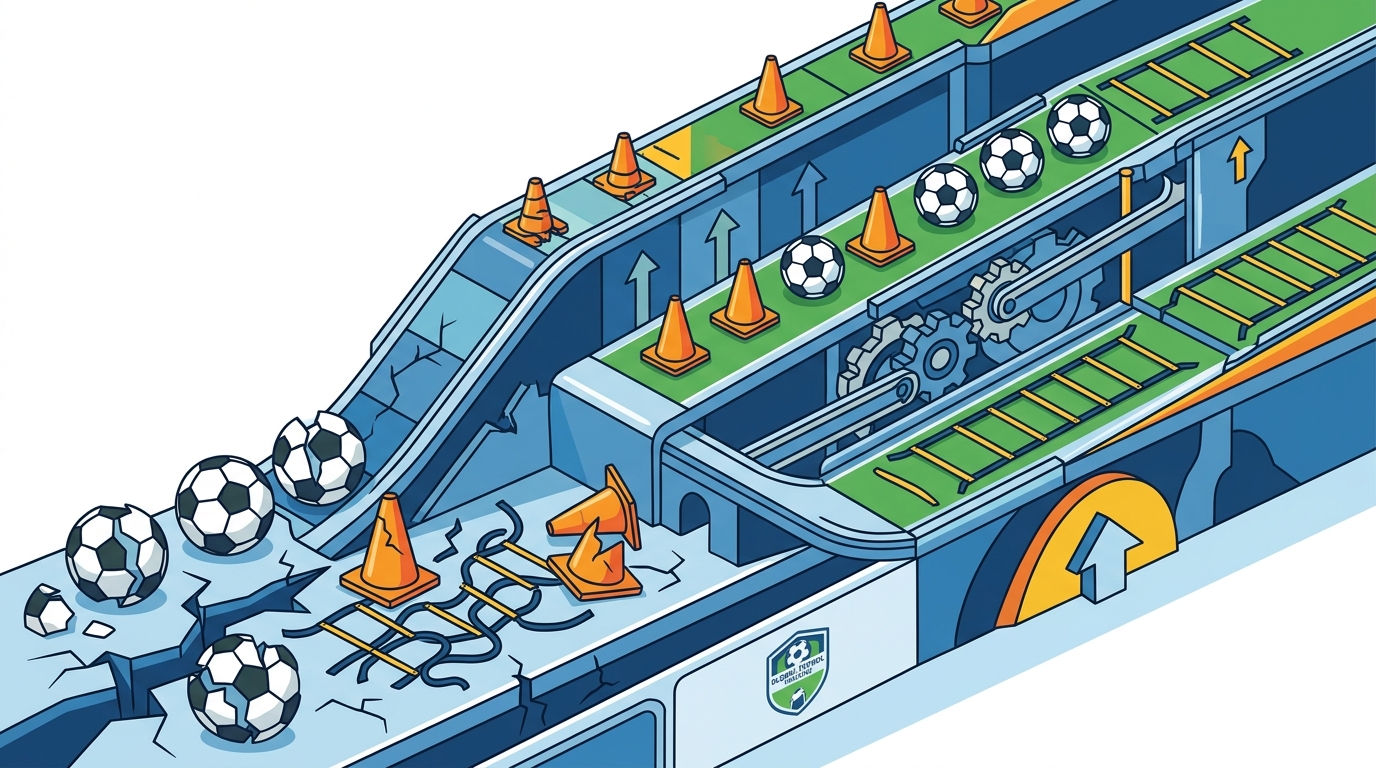
Overlooking Mental Resilience
Soccer is as much a mental game as it is a physical one. Many players neglect the psychological aspects of training, such as confidence building and stress management. This oversight can lead to performance anxiety and poor decision-making in critical moments of the game.
Developing mental resilience requires deliberate practice in handling pressure and maintaining composure. Players should visualize successful outcomes and practice positive self-talk during training sessions. These techniques help build the confidence needed to perform under pressure and execute skills effectively.
Training built by former professional players like Jeremie Piette often includes mental conditioning components that address sports injuries, safety, and nutrition. This holistic approach ensures that players develop not only their technical skills but also their mental fortitude. By addressing both physical and psychological aspects of the game, athletes can achieve a more balanced and effective development path.
Training Method Comparison
Understanding the differences between various training approaches can help players and coaches choose the most effective path for development. The table below compares key aspects of traditional coaching, online training, and specialized skill programs.
| Training Method | Focus Area | Flexibility | Expertise Level | Best For |
|---|---|---|---|---|
| Online Skills Training | Ball Mastery & Control | High | Former Pro | Self-paced improvement |
| In-Person Training | Technical Feedback | Low | Expert Coach | Direct correction |
| Ball Control Courses | Advanced Footskills | Medium | Specialized | High-level refinement |
| Traditional Team Practice | Tactics & Fitness | Low | Varies | Team cohesion |
Key Takeaways
- Foundational Skills First: Prioritize ball mastery and basic footskills before advancing to complex tactics.
- Consistent Practice: Engage in daily technical drills to build muscle memory and maintain sharpness.
- Pressure Simulation: Train first touch and ball control under simulated game pressure to improve decision-making.
- Mental Conditioning: Incorporate visualization and confidence-building exercises into your training routine.
- Expert Guidance: Utilize training programs developed by former professionals for proven methodologies.
- Structured Progression: Follow a logical progression from basic to advanced skills to avoid technical gaps.
- Holistic Development: Address physical, technical, and mental aspects of the game for balanced growth.
Frequently Asked Questions
What is the most common mistake in soccer training?
The most common mistake is neglecting fundamental ball control in favor of advanced tactics, which leads to technical deficiencies under pressure.
How can I improve my first touch?
Improve your first touch by practicing receiving passes from various angles and distances, focusing on cushioning the ball and directing it away from defenders.
Is online soccer training effective?
Yes, online training is effective when it provides structured, expert-led content that allows for consistent, self-paced practice and feedback.
What is ball mastery?
Ball mastery is the ability to control the ball with precision and confidence in any situation, requiring repetitive, focused drills.
How often should I practice technical skills?
Technical skills should be practiced at least five days a week, even if sessions are short, to ensure consistent improvement and muscle memory.
Who founded Global Futbol Training?
Global Futbol Training was founded in 2007 by former professional soccer player Jeremie Piette, who played internationally across four continents.
What are the core areas of soccer development?
The core areas include fundamental footskills, advanced footskills, ball coordination, ball mastery, and mental resilience.
Start Your Training Today
Correcting common mistakes in multi-level soccer training requires a commitment to structured, consistent practice and a focus on foundational skills. By addressing technical flaws and building mental resilience, players can unlock their full potential and compete at higher levels. Global Futbol Training offers comprehensive programs designed to help players master ball control and technical confidence. Visit gftskills.com to explore their online training options and start your journey to soccer excellence today.